


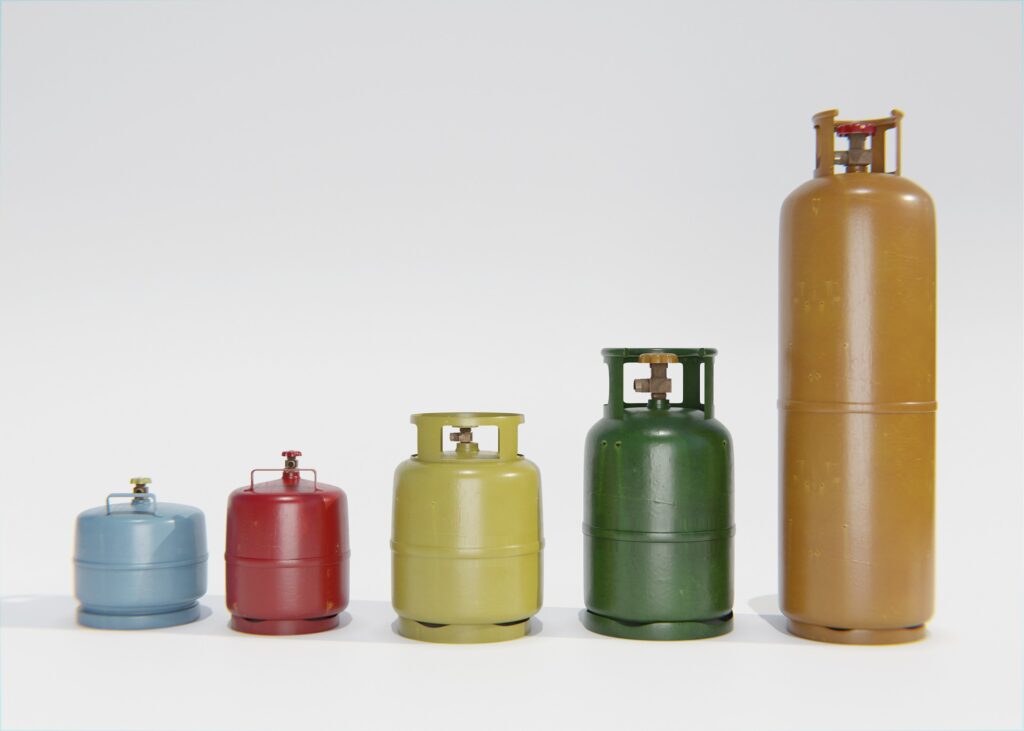
Anyone familiar with static caravans will also be familiar with gas bottles; as even though most static caravans are connected to mains electricity, gas still remains a necessity in most static caravans.
What Type Of Gas Is Suitable For My Static Caravan?
There are two main types of LPG (liquified petroleum gas) used in static caravans, butane and propane – both of which are a by-product of gas and oil extraction and oil refining – the key difference between the two types of gas is their boiling point. Butane has a slightly higher boiling point, making it better suited to indoor storage; propane, however, can sustain colder temperatures and be kept in outdoor storage units during cold weather. Propane is generally recommended for those living in cooler areas of the country or for those that use their static caravans during winter months.
What Size Bottle Should I Buy?
There are many sizes of gas bottles available to suit varying purposes. A 19kg bottle is a commonly sought-after size for static caravans, as it is easier to carry and move around; it also has the added benefit of allowing owners to budget better and to have a clearer idea on their own usage habits.
Ordering Gas Bottles
When ordering gas bottles, it is important to talk to the park management first, as there may be rules on ordering gas bottles – the park owners may have a specific approved supplier that provides a delivery service and collects empty cylinders.
Usage
The supplier will give instructions on connecting and disconnecting gas bottles, the park management team can also provide assistance if needed. When changing gas bottles, it is important to remember to always replace the safety caps when the cylinder is not in use and not to change gas bottles near a naked flame or any other sources of ignition. When vacating the static caravan for the season, always remember to disconnect the gas.
Checking How Much Gas Is Left
Most suppliers will be able to offer an approximate estimate of how long each bottle will last, based on expected usage, cooking twice a day for a family of 4, for example. It is also possible to find out roughly how much gas is left in the bottle, by pouring hot water down the side of the bottle and checking where the bottle remains cold, as this will indicate the level of gas remaining in the bottle. Another method is by lifting the gas bottle, it should be easy to feel how much is left inside. There are a number of handy online video guides to help assist, or if in doubt as a member of the park management team.
Safe Storage and Handling of Gas Bottles
Gas is highly flammable and must be handled safely and responsibly. When storing gas cylinders, it is important to ensure the following:
- Gas bottles should be stored in an outdoor storage unit on the pitch away from main exit and entry points and securely out of reach of children and pets.
- The storage unit should be dry and well-ventilated area and gas bottles should always be stored in an upright position, not lying down.
- Gas should not be stored below ground level and must not be stored near any corrosive oxidant materials and the bottles should be regularly checked for leaks.
- If collecting gas directly from the supplier, it is important to maintain an upright position when travelling.
- If you can smell gas, open all doors and windows, shut the valves on the gas bottle, leave the static caravan and call the emergency number provided by the supplier.
Gas Safety Certificate
It is important to have an annual gas safety certificate; depending on the park, this may be part of the contract, as it is a legal requirement. A gas safety test helps to ensure that everything is working safely and in good order.
Presteigne Static Caravan Park
Our static caravan park is situated on an expansive site in the scenic Mid Wales countryside, we offer a range of static caravans for sale and have relocation sites available. The management team have many years of collective experience in static caravan maintenance and can provide useful advice and assistance.