


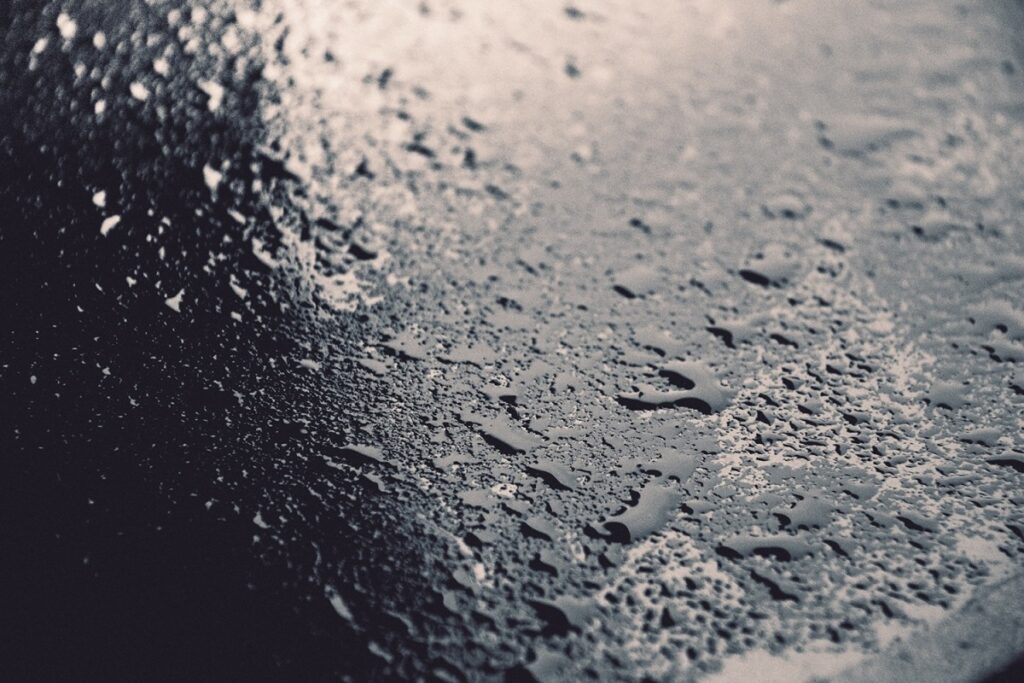
British weather is notoriously cold and damp – excess moisture is a common issue in homes and buildings across the country, especially so during the winter months – this leads to cold, damp and condensation, providing the ideal environment for the growth of mould.
Mould is bad for our health, and it produces allergens and irritants that when touched or inhaled can cause a wide range of physical reactions. These range from an itchy runny nose, to sneezing, skin rashes and sore throats, and respiratory problems such as asthma attacks caused by inflammation of the airways.
Some types of moulds are even toxigenic, principally mycotoxins – making it important to treat the problem as soon as possible. If left untreated, mould can not only harm our health, but it can also cause structural damage to buildings, leading to costly and often complex repairs.
What Is Condensation and How Is It Caused?
When warm moist air comes into contact with cold surfaces such as walls and windows, the water vapour within the air is transformed into droplets, these collect on cold and hard surfaces, often around windows and windowsills and make them wet. When this happens on a regular basis, it leads to dampness. If the damp remains and is not dried out, it provides the perfect environment for mould to grow in.
Black mould is the most commonly occurring side effect of untreated condensation and damp. It is bad for our health, smells unpleasant and can destroy soft furnishings, clothes, bedding, walls, woodwork and even the floors. It is also difficult to remove, particularly when it grows onto fabrics and soft furnishings and causes a distinctive staining pattern.
It is worth noting that condensation is different from penetrating damp or rising damp. This occurs when moisture penetrates a structure from an external source such as porous bricks, a floor or wall without protective insulation or a leaking pipe. In static caravans however, condensation is more common.
How To Reduce Condensation in Your Static Caravan
Condensation is generally at its worst during the winter months where cold and wet weather prevails, and the sun is at weakest. Low temperatures and lack of sunlight mean that excess moisture takes much longer to dry out – the longer it lingers, the greater the level of dampness and the greater the chance of mould growth.
Static caravans are also generally left closed and unoccupied for several months during the winter season, making the likelihood of condensation build-up more probable. If left untreated, owners may find themselves greeted by mould and damage to the interiors and soft furnishings, upon their return in the spring.
We recommend taking the following steps to reduce and avoid condensation where possible:
Ventilation
Allowing fresh to circulate is an efficient and effective way to reduce condensation. Windows cannot remain open when static caravans are unoccupied for obvious reasons. For this reason, static caravans are fitted with air vents – for these to allow air to circulate, they must not be covered or obstructed. It is important to ensure this all year around but especially more so during the winter months when the static caravan remains closed.
It is a good idea to air the premises by leaving the windows and door open for a couple of hours before locking everything up for winter.
Drying Clothes
Drying washing inside a static caravan can add to dampness and humidity, creating a steady build up over time. If possible and weather permitting, try to dry any washing outside and ensure that clothes are not dried on top of indoor heaters.
Showers
A hot shower on a cool damp day produces a lot of steam and excess moisture, this will settle on hard surfaces within the shower room itself and out into the bedrooms and living area of the static caravan. It is important to ensure any extractor fans are left switched on and that the bathroom is well ventilated to dry out the moisture – it will be worth leaving the window open a little longer even if it is a bit cool outside.
Cooking
Cooking indoors can also produce large amounts of steam that will settle on surfaces without adequate ventilation. If the cooker has an extractor fan, this should always be switched on and doors and windows kept open wherever possible.
Dehumidifiers & Salt Crystals
Dehumidifiers offer a highly effective way of removing excess moisture from the surrounding environment, the downside is that they are not cheap to buy, can be quite expensive to run – depending on the model and current energy prices – and are quite heavy and bulky, factors which may be off putting for some people.
Salt crystals on the other hand, offer a cost-effective solution. This inexpensive product can be bought at local supermarkets and hardware stores and placed around the static caravan in strategic locations where condensation is likely to occur over the winter period.
Presteigne Holiday Park
The Presteigne Holiday Park management team have many years of collective experience in the management and maintenance of static caravans and can offer useful tips and advice including how to deal with condensation.
For more information on our services or to enquire about our pitches or static caravans for sale, get in touch today.
Every static caravan owner dreads the prospect of returning to their caravan to be greeted by the smell of damp and rot and finding black spots of mildew on the soft furnishings and walls. However, there are several steps which can be taken to prevent condensation and damp, and to help keep your static caravan damp free, fresh, and welcoming.
Signs of Excess Damp
Unpleasant Odour
One of the first signs of damp is the smell – when entering a space with damp and mould, one is immediately greeted by a strong musty odour.
Visible Spots
Black mould spots often grow in damp areas and may appear on soft furnishings, clothes, walls, ceilings and on floors.
Negative Health Implications
Aside from the visible damage it can cause to furnishings and the unpleasant odour, excess levels of humidity provide the perfect breeding ground for mould spores to grow which can cause health problems. This is especially true for anyone with allergies, asthma or a compromised immune system.
High humidity levels not only cause mould and mildew, they also increase the cultivation of dust mites which thrive in soft furnishings – all of which cause breathing difficulties and as such can result in poor quality sleep and having an adverse effect on general wellbeing.
Causes of Humidity
Condensation and poor ventilation are common causes of dampness inside a static caravan – whilst it is in use, moisture levels are often allowed to build up due to cooking, showering, damp clothes etc. and there may not be sufficient time for the caravan to dry out before it is shut up and left and unoccupied. When left empty, the indoor temperature drops, and any excess moisture provides the perfect breeding ground for mould and mildew.
Prevention and Treatment
Mould typically grows in the coldest and dampest parts of the room, when it comes to treatment, prevention is always better than cure. The first step is to try and find out exactly where the damp is coming from by checking for any leaks, damaged seals or damage to the roof or flooring, checking to see if there any entry points for moisture which would allow a build-up. A visual inspection is helpful as is a physical inspection, dampness on walls and floor can often result in softness.
Specific Products
Mould and mildew can be removed with specific products, although these are often extremely strong and may stain soft furnishings in particular – always check suitability before use.
Extractor Fan
Bathrooms and the cooking hob should be fitted with an extractor fan to reduce condensation and a window should remain open when cooking or showering.
Drying Clothes
It is not a good idea to dry clothes inside the caravan if it can be helped, if the caravan is located in a particularly damp area it may be worth installing a tumble dryer (ensuring that the hose is outside).
Damp Metre
A damp metre is an effective way of alerting to signs of dampness – these are reliable and easily purchase online or at the local hardware shop.
Dehumidifier
If your caravan is located in an especially damp location, it may be useful to install a dehumidifier. These work on a daily basis and many of the modern models are equipped with a humidistat which responds to relative humidity and automatically switches on and off in accordance with humidity levels. A dehumidifier is an excellent way to reduce moisture, freshen up the air and prevent the formation of mould and mildew. This offers a great solution for rainy days when damp outer garments can add to rising humidity levels.
Dehumidifier Crystals
These can be left in areas prone to damp when the caravan is not in use, helping to suck any excess moisture from the air to help ensure it remains fresh for your return.
Our Services
Our Powys static caravan park is well located in scenic spot in the Mid Wales countryside. We offer a range of static caravans for sale at different price points to suit any budget. Site fees cover all the basics plus access to our facilities, our team has years of experience in the management of static caravans and can offer valuable tips and advice. Get in touch today for more information.